Welcome

Sign in to your account


solutions
& Issues

Pakistan is facing a severe water crisis that threatens agriculture, health, and daily life. With a growing population, poor water management, and climate change, access to clean and sufficient water is becoming increasingly difficult. This page highlights the key water-related challenges in Pakistan and practical solutions to address them.


7 out of 10 households
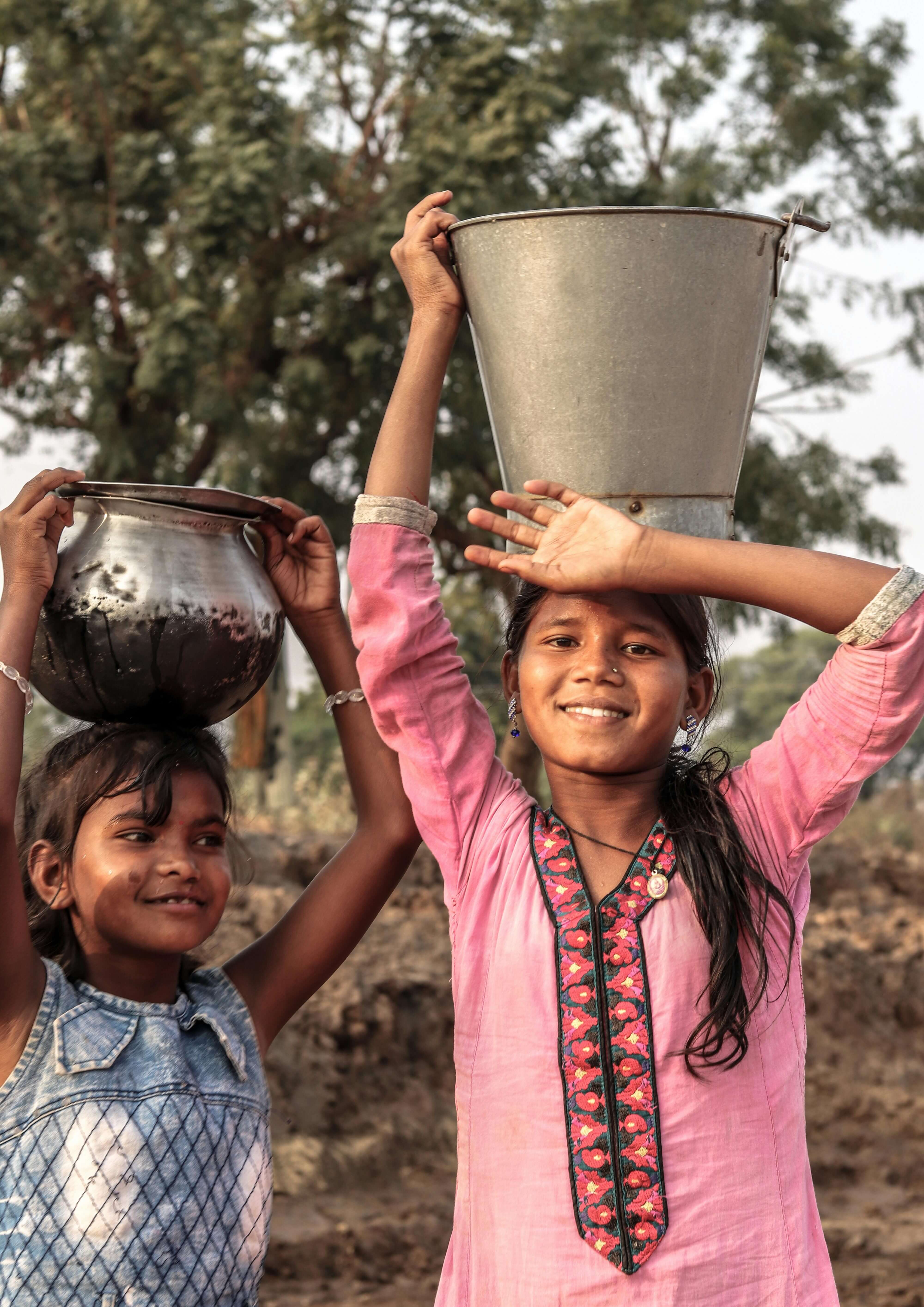
Globally, women and girls are responsible for water collection in 7 out of 10 households without water at their homes.
Each step a woman or girl takes to collect water is a step away from education, work, safety, and leisure. This is because women's roles in water access for their families and communities are entwined with the inequality that leaves them walking miles each day for water, missing school or work because of periods, and unable to take on economic opportunities because of the demands of collecting water.
When it comes to sanitation, access to proper bathrooms in homes and schools provides privacy, safety, and dignity – especially for those who need to manage their periods or pregnancies.
We know it doesn't stop with access to water, sanitation, and hygiene. Women must play a central role in the plans, designs, and implementation of these services to ensure their specific needs are met.
80% of illnesses
Improper sanitation and lack of clean water contribute to 80% of illnesses in developing countries.
Clean water and proper sanitation are fundamental to good health. Without access to clean water, communities face increased risks of waterborne diseases such as cholera, typhoid, and dysentery.
Inadequate sanitation facilities also contribute to poor health outcomes, particularly for children. Diarrheal diseases remain one of the leading causes of child mortality worldwide.
When healthcare workers have access to clean water and sanitation, they can provide better care and reduce the risk of infection transmission in medical settings.
$10 billion
The economic cost of water scarcity in sub-Saharan Africa exceeds $10 billion annually.
Water scarcity directly impacts economic development by limiting agricultural productivity, industrial operations, and energy production. Communities without reliable water sources struggle to maintain consistent livelihoods.
Women and girls often spend hours each day collecting water, time that could be spent on income-generating activities or education. This lost time represents a significant economic burden on families and communities.
Investment in water infrastructure creates jobs and stimulates local economies. Sustainable water solutions can unlock economic potential and improve quality of life for millions.
30 million students
More than 30 million students globally miss school due to inadequate sanitation facilities.
Access to clean water and sanitation in schools is crucial for student attendance, particularly for girls. Without proper facilities, many girls miss school during menstruation, falling behind in their education.
Schools without adequate water and sanitation struggle to maintain hygiene standards, increasing the risk of disease outbreaks among students and staff.
When schools have reliable water access and proper sanitation, attendance improves, learning outcomes increase, and students are healthier and more focused. Education becomes more equitable when all students have access to basic needs.

How Can We Solve the Water Issues?

Both individuals and the government need to take action to conserve and manage water better:

For Citizens

  • Fix leaking taps and pipes immediately.
  • Use water-saving devices like low-flow showerheads.
  • Reusable water where possible (e.g., watering plants).
  • Support awareness campaigns in your community.

For Government

  • Build new dams and improve irrigation systems.
  • Enforce strict pollution laws on industries.
  • Invest in rainwater harvesting projects.
  • Provide subsidies for water-efficient technologies.

Innovation

Quality

Collaboration

.

Sustainability

.

Customer Focus

Your report can make a difference

Be the voice for change report water issues, track progress, and join hands in creating sustainable solutions
for a cleaner, healthier tomorrow.